The OpenClaw Saga: From ClawdBot to Moltbot to a New Identity
If you have been watching the open-source AI space recently, you have likely witnessed the meteoric—and chaotic—rise of a certain lobster-themed AI assistant.
First, it was ClawdBot (🦞). Then, for a confused 48 hours, it was Moltbot.
As of today, January 30, 2026, the project has officially settled on its permanent identity: OpenClaw.
The project, created by developer Peter Steinberger (founder of PSPDFKit), went viral almost overnight, gaining over 100,000 GitHub stars in a matter of weeks. But with that visibility came legal notices, trademark disputes, and a crash course in brand safety.
Here is a deep dive into what OpenClaw actually is, the chaotic story behind its rebranding, and why Anthropic’s legal team was ultimately right to intervene.
What is OpenClaw?
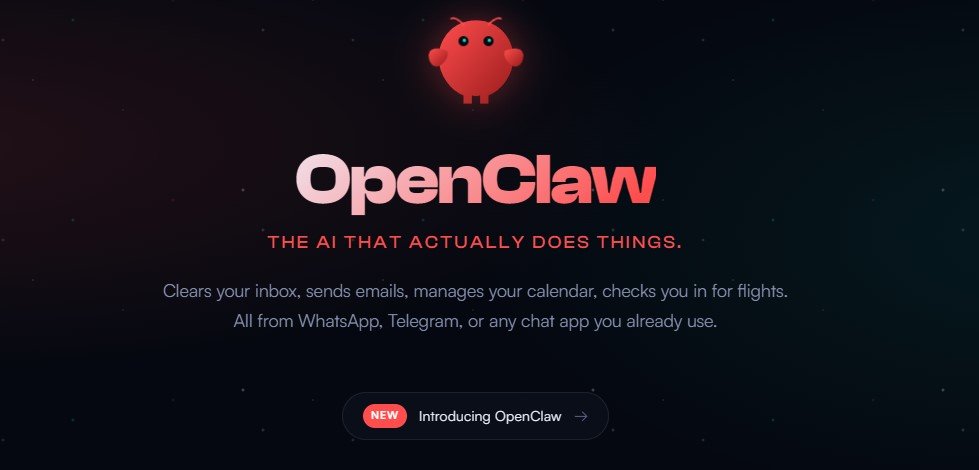
OpenClaw is a viral, open-source personal AI assistant platform that runs locally on your own computer. It is designed to be a “self-hosted” agent that you interact with through the messaging apps you already use (like WhatsApp, Telegram, Discord, Slack, and Signal) rather than a dedicated app or browser window.
Unlike cloud-based assistants like ChatGPT or the web-based Claude, OpenClaw runs on your own hardware (Mac, Linux, or Windows via WSL). This gives you control over your data, but it also gives the AI significantly more power.
Key Features of OpenClaw:
- “Agentic” Capabilities: It doesn’t just chat; it can perform actions. It has access to your file system, can run shell commands, manage your calendar, and execute complex workflows. You can tell it to “Check my emails and Slack me a summary,” or “Organize my downloads folder,” and it will execute the code to do so.
- Platform Agnostic: It acts as a bridge (a “Gateway”) between your local machine and various chat platforms. You can text it from your phone via WhatsApp while you are out, and it processes the request on your home computer.
- Model Flexibility: You aren’t locked into one provider. You can plug in various LLMs to power its intelligence, including local models (via Ollama) or API-based models like Anthropic’s Claude or OpenAI’s GPT-4.
- Proactive: It can be configured to message you first—sending morning briefings or alerting you to high-priority emails.
The Rebranding Saga (ClawdBot → Moltbot → OpenClaw)
The name change was primarily driven by legal pressure from Anthropic (the creators of the “Claude” AI model) regarding trademark infringement. Here is how the chaos unfolded:
1. The “ClawdBot” Phase
The original name was a pun on Anthropic’s “Claude” model combined with a lobster emoji. It was clever and the community loved it. However, as the project hit widespread popularity (60,000+ stars), it caught Anthropic’s attention. Their legal team sent a formal notice requesting a name change because “Clawd” was confusingly similar to their trademarked “Claude” brand.
2. The “Moltbot” Phase (The Rushed Fix)
To comply quickly, the community and founder rebranded the project to “Moltbot” (referencing a lobster shedding its shell). This name was chosen during a “chaotic 5 AM Discord brainstorm.” It ultimately didn’t stick; users found it confusing, unmemorable, and it lacked the brand recognition of the original.
Side note: During this rushed transition, the old “ClawdBot” social media handles were released and immediately snatched up by crypto scammers, who used them to promote fake tokens—adding to the urgency for a stable, professional identity.
3. The Final Choice: OpenClaw
On January 30, 2026, the project officially settled on “OpenClaw” as its permanent identity. It was a deliberate compromise that cleared trademark searches while keeping the project’s identity intact: “Open” signals that it is open-source and self-hosted, while “Claw” retains the lobster heritage and mascot the community loved.
Was Anthropic Right in Taking Legal Action?
Whether Anthropic was “right” depends on whether you view the situation through the lens of trademark law or open-source culture.
From a community perspective, it felt like a “corporate” move against a fan project. It was, after all, a tribute that drove API usage and revenue to Anthropic. However, from a strictly legal and business standpoint, Anthropic was likely right and had no choice.
Here is the breakdown:
1. The Legal Reality: “Use It or Lose It”
Trademark law is generally very clear. Anthropic had a strong obligation to act based on Phonetic Identity. “Claude” and “Clawd” sound exactly the same. In trademark law, if you tell a friend, “I’m using Claude/Clawd,” they cannot tell the difference.
Furthermore, trademarks must be actively defended. If Anthropic allows a project named “Clawd” to exist without challenge, they weaken their legal claim to the name “Claude.” If a malicious actor later launched “Claude-AI-Scam,” that actor could argue in court: “You let ClawdBot use the name, why not us?”
2. The Brand Safety Risk (The “Spicy” Permissions)
This was likely the biggest factor for Anthropic’s legal team. OpenClaw is designed to run shell commands and access files on your personal computer. The community calls this “spicy” access.
If the AI hallucinates—which all LLMs do—and accidentally deletes a user’s hard drive or exposes private keys, the headlines would not read “Open Source Wrapper Malfunctions.” They would read: “Claude AI Deletes User Data.”
Most of the general public would not distinguish between the open-source wrapper and the actual company, causing massive reputational damage to Anthropic.
Conclusion
While the transition was messy, the move to OpenClaw secures the project’s long-term survival. It resolves the legal threats and clearly distinguishes the tool as a self-hosted, open-source entity.
A Security Note:
Because OpenClaw is designed to run shell commands on your personal computer, it grants the AI a high level of access. While the new OpenClaw release emphasizes better security defaults and sandboxing, users should always be cautious. A hallucinating AI with terminal access can theoretically cause system damage, so be careful about what permissions you grant your new lobster assistant.
Check out the project at openclaw.ai.

Mahdi Hasan
Mahdi has over 11 years of experience in SEO, content writing, and content marketing. He has worked with over 100 business across industries as a content writer and SEO specialist with a proven track record in boosting organic traffic growth. He is the first Certified Professional Resume Writer (CPRW) from Bangladesh and a HubSpot certified inbound marketing professional. Now, busy dong AI automation for marketing processes and learning ComfyUI.